Practical methods to organize your day with clarity, flexibility, and respect for your personal energy patterns.
Before listing tasks, Eliminationfilte recommends defining what a successful day looks like for you. This shifts planning from reactive to purposeful.
Start by asking: What would make today feel complete? Write your answer in one sentence, then build your schedule around that intention rather than an endless to-do list.
Ask a Question
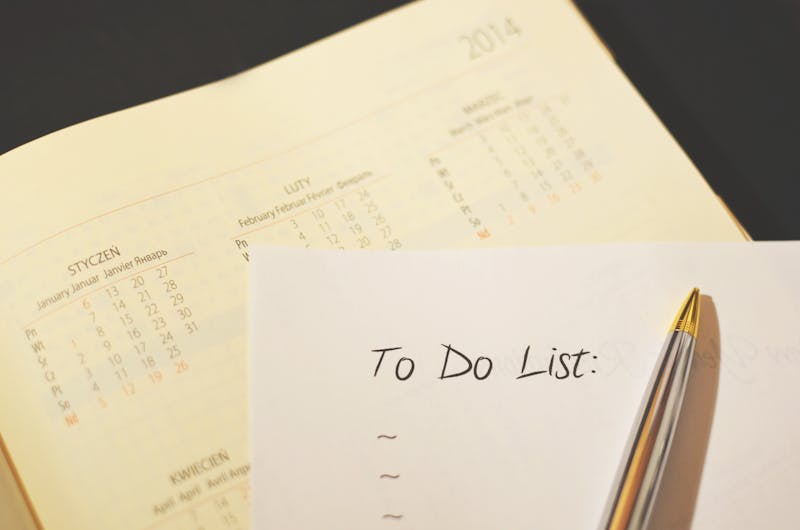
Follow this sequence to build a day that balances focused work with realistic pacing.
Spend five minutes reviewing tomorrow. Note appointments, deadlines, and your top priority so morning decisions are already made.
Before digital distractions, confirm your three priorities and assign each to a specific time block based on energy levels.
Pause at lunch to assess progress. Adjust afternoon plans if needed without guilt — flexibility is part of mindful planning.
Close the day by noting what you accomplished, what you learned, and one thing to carry forward into tomorrow.
Practical approaches you can adapt for a steady, sustainable daily rhythm.
Assign fixed periods to specific activities, including breaks and transitions between tasks.
Group similar activities together to reduce context switching and maintain focus momentum.
Add 15-minute gaps between major blocks to absorb delays without derailing your entire day.
We suggest three meaningful priorities plus routine activities. Quality and completion matter more than quantity.
Adjust without judgment. Move unfinished items to another day and protect time for what became most important.
A simple notebook or digital calendar works well. Consistency with your chosen method matters more than the tool itself.
We process personal data in accordance with GDPR and applicable US privacy laws. By using this site, you acknowledge our data practices described in the Privacy Policy.